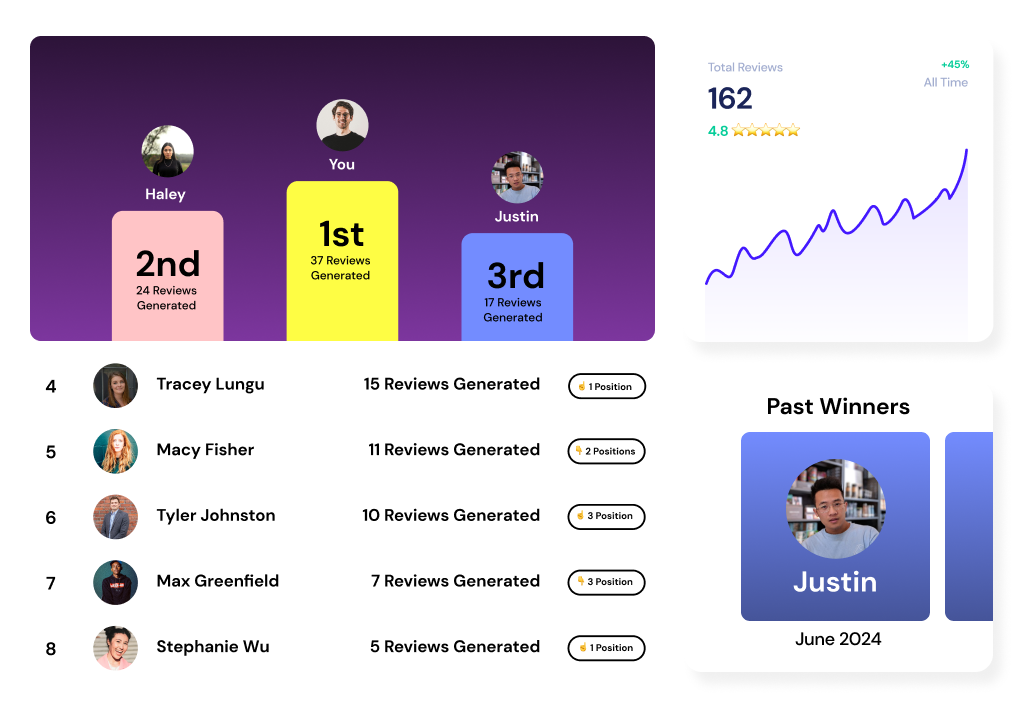
Mentioning employees names in Google Reviews - Things just changed dramatically.


Google’s New Review Policy on Employee Mentions: What It Means for Businesses (and Why We Think It May Not Last)
If you’ve noticed some of your Google reviews disappearing lately, you’re not alone—and you’re definitely not imagining things (phew!)
In April 2026, Google secretly rolled out a significant update to its review policies that is already reshaping how businesses collect and manage customer feedback. One of the most controversial changes? A crackdown on reviews that mention specific employees by name.
Let’s break down what’s happening, why reviews are going missing, and why there’s a strong chance Google will walk parts of this back.
What Changed in Google’s Review Policy?
Google updated its review guidelines to explicitly prohibit businesses from requesting reviews that include specific content—especially content that identifies employees.
In plain English:
- You can’t ask customers to mention employees by name
- You can’t incentivize or coach reviews with specific wording
- And increasingly, reviews that do include these patterns may get filtered or removed
This is a meaningful shift. Historically, reviews that praised employees by name were considered high-quality, authentic feedback. In fact, Google previously allowed employee mentions unless they were inappropriate or defamatory.
Now, the enforcement environment is much stricter.
Why Are Reviews Disappearing?
Many businesses are reporting a surge in missing reviews—and this policy update is a big reason why.
Google has significantly increased its reliance on AI-driven moderation systems. These systems are designed to detect patterns that look like manipulation, including:
- Repeated mention of specific employee names
- Review requests that appear scripted
- Sudden spikes in review volume
- Incentivized or coached feedback
As a result, even legitimate, positive reviews are getting caught in the crossfire.
In fact, industry reports confirm that reviews mentioning helpful staff members are now being removed under these updated rules.
That’s a big deal—because for many service-based businesses, those are the most valuable reviews.
The Core Problem: Google vs. Reality
Here’s where things get messy.
Google is trying to solve a real problem: businesses gaming the system by pushing customers to mention employees as part of internal reward programs.
But in doing so, they’ve collided with reality.
Because in the real world:
- Customers naturally mention great employees
- Personal experiences often revolve around specific people
- The most compelling reviews are often human, not generic
Think about it—if someone had an incredible experience with “John the technician” or “Sarah at the front desk,” that’s exactly what they’re going to write.
And historically, those reviews convert better. They build trust. They feel real.
By filtering or removing them, Google risks:
- Reducing authenticity in reviews
- Penalizing genuinely great service
- Frustrating both businesses and customers
Why Google Will Likely Reverse Course (At Least Partially)
Based on how Google has handled similar updates in the past, there’s a strong chance this policy will be softened over time.
Here’s why:
1. Too Many False Positives
When legitimate reviews get removed at scale, it creates a poor user experience. Businesses lose trust in the platform, and customers feel like their feedback doesn’t matter.
2. Reviews Are Core to Google’s Ecosystem
Google reviews influence everything from local SEO rankings to conversion rates. With 81% of consumers relying on them to evaluate businesses, Google can’t afford to degrade their quality.
3. Authenticity > Perfection
Google’s long-term goal has always been authenticity. Over-filtering real reviews runs counter to that mission.
4. Enforcement Will Likely Shift to Intent
Instead of penalizing all employee mentions, Google will likely refine its systems to target:
- Coordinated campaigns
- Incentivized mentions
- Obvious manipulation patterns
Not genuine customer experiences.
What Businesses Should Do Right Now
Until things stabilize, businesses need to adapt.
1. Reduce How Often You Ask for Employee Mentions
Even if it worked before, it’s now a risk. Try to avoid phrasing like:
- “Mention your technician by name”
- “Shout out our team member in your review”
- Update your Drumroll review assistant to not encourage customers to mention specific employee names.
The reason we say to avoid these phrases rather then saying to never use them, is because us as consumers do enjoy seeing when specific employees names are mentioned. So, although having some could negatively impact rankings, there is still a positive impact from a conversion factor.
2. Focus on Experience-Based Reviews
Encourage customers to describe their experience broadly:
- What service they received
- What stood out
- How the business helped
This keeps reviews compliant while still being valuable.
3. Monitor Review Loss Closely
If you’re seeing reviews disappear:
- Track patterns
- Document removals
- Adjust your review strategy accordingly
The Role of Technology in Navigating This Shift
This is where smart tooling becomes essential.
Businesses that rely on manual processes are going to struggle in this new environment. Instead, leveraging google review tools for small businesses can help you:
- Standardize compliant review requests
- Avoid risky language
- Track review performance over time
More importantly, there’s growing demand for affordable google review tools that don’t require enterprise budgets but still provide automation and compliance safeguards.
Where Drumroll Fits In
At Drumroll, we’ve been watching this shift closely—and frankly, it reinforces a trend we’ve believed in for a while:
The future of reviews isn’t about forcing outcomes. It’s about making it easy for customers to leave genuine feedback.
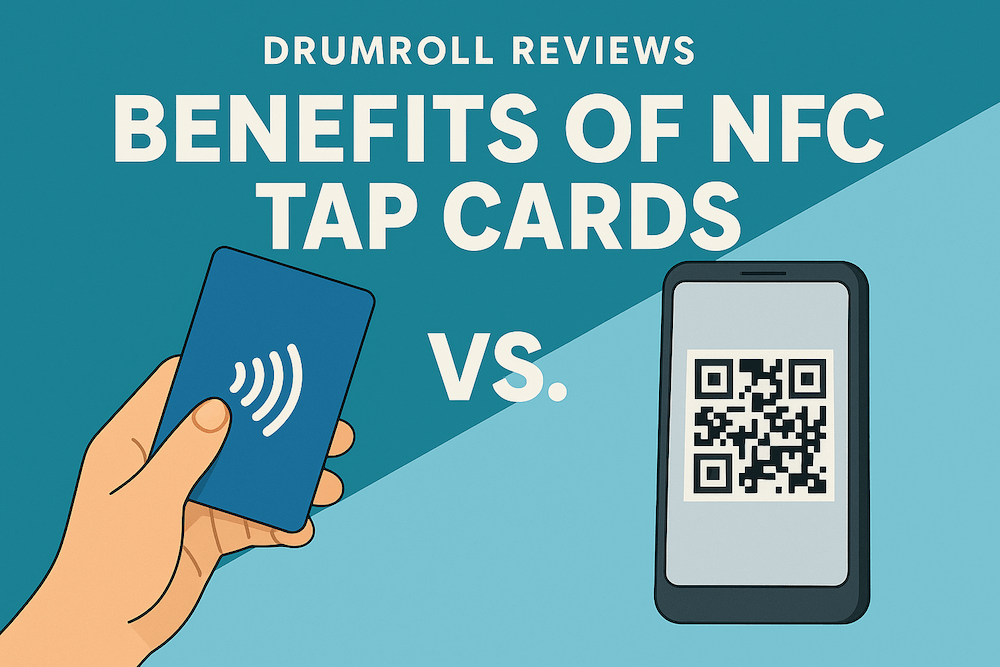
That’s why tools like nfc google review cards are gaining traction.
Instead of scripting the review, you:
- Let the customer tap
- Open the review flow instantly
- Capture feedback in the moment
No pressure. No manipulation. Just frictionless authenticity.
And in a world where Google is tightening enforcement, that approach becomes even more valuable.
A Quick Note for Service-Based Industries
If you’re in industries like construction, home services, or field operations, this update hits especially hard.
Why?
Because your best reviews often highlight individual team members.
This is where integrating review strategy into your broader tech stack matters. For example, pairing your review workflow with construction bidding software can help you:
- Trigger review requests at the right project milestones
- Standardize communication
- Maintain compliance across teams
It’s not just about getting reviews—it’s about building a system that works within Google’s evolving rules.
Final Thoughts
Google’s latest update on employee mentions is a classic case of overcorrection.
Yes, there was abuse in the system.
Yes, stricter policies were needed.
But in trying to eliminate manipulation, Google has also disrupted a key signal of authenticity.
The good news? This likely isn’t the final version of the policy. We strongly believe adjustments will be made to losen the impact of these new policies.
In the meantime, the businesses that win will be the ones that:
- Adapt quickly
- Focus on genuine customer experiences
- Use the right tools to stay compliant
Because one thing hasn’t changed:
Reviews still matter. A lot.
And the businesses that figure out how to earn them—without gaming the system—will come out ahead.


Join the large list of small businesses using Drumroll!